
Beat the Clock with EMOM and AMRAP No‑Equipment Sessions
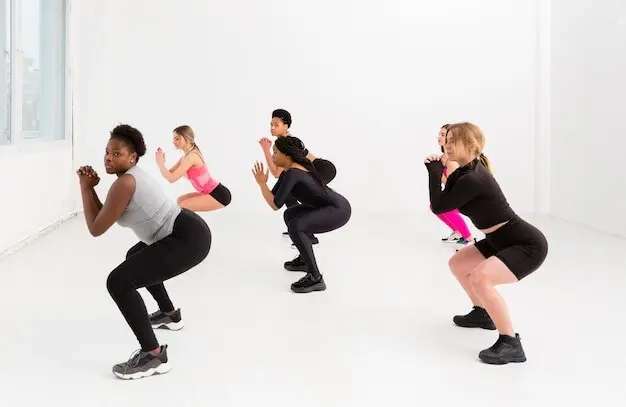
Pressed for time but hungry for progress? Dive into EMOM and AMRAP no‑equipment sessions designed for tight schedules, tiny spaces, and real‑world energy levels. We will unpack minute‑by‑minute structure, pacing, safety, and progression so you can train effectively before meetings, during lunch, or between parenting duties. Save this guide, share your best times in the comments, and subscribe for fresh, practical sessions that respect your calendar and still deliver sweat‑earned wins.

Why Timing Protocols Save Your Day

When your calendar erupts, timing‑based formats turn chaos into structure. EMOM creates mini deadlines that sharpen focus and distribute intensity, while AMRAP compresses meaningful work into a clear window. Without equipment, bodyweight choices maximize accessibility and reduce friction. You’ll build consistency through repeatable sessions that fit anywhere, dodge decision fatigue, and feel productive even on hectic days. These protocols reward preparation, smart scaling, and deliberate effort, making short workouts surprisingly potent and motivating.

Training Density That Works While the Coffee Brews

Density training boosts total work per minute, elevating heart rate and muscular endurance without sprawling gym setups. EMOM’s structured rest encourages quality reps and better technique retention under fatigue, while AMRAP compacts volume into a tidy window. Together they enhance conditioning, drive calorie burn post‑workout through increased oxygen demand, and teach efficient movement. Imagine finishing meaningful work before your mug cools, then carrying that energized clarity into the rest of your day.

Micro‑Deadlines That Clarify Effort and Focus

A clock that beeps each minute removes hesitation. With EMOM, you know exactly when to start and when to breathe, transforming scattered willpower into tight, repeatable cycles. AMRAP offers the same mental clarity with a single start and finish, letting you lock onto steady mechanics. These micro‑deadlines anchor attention, curb overthinking, and help you find productive gears fast, especially when distractions pile up and motivation feels slippery.

EMOM Fundamentals Without Gear

Every Minute on the Minute works best when the minute is thoughtfully built. Choose movements you can repeat with solid form, set reps that finish with 10–20 seconds to spare, and keep technique crisp. If you routinely miss the beep, scale sooner instead of grinding. Rotate patterns—push, pull proxy, hinge, squat, core—to spread fatigue and protect joints. Treat the clock like a coach that rewards discipline, quality, and humility.

AMRAP Tactics for Short Windows

As Many Rounds or Reps As Possible thrives on honest pacing and clear rep schemes. Your goal is steady mechanics, quick transitions, and minimal thinking. Pre‑plan movements and counts, rehearse one practice round, and start conservatively. Use checkpoints each minute to adjust breathing and cadence. Finish by noting total reps, perceived effort, and where form slipped. These details transform ten unplanned minutes into a repeatable, data‑rich session you can beat next week.

Rep Schemes That Keep You Moving

Simple counts win under pressure. Try triplets like 10 push‑ups, 15 air squats, 20 mountain climbers per side, or couplets like 10 burpees and 20 lunges. Ladders—3, 6, 9, 12—can scale intensity without stalling. Chippers with one longer set per movement also fit short caps if transitions stay tight. Choose ranges that preserve form, prevent sticking points, and encourage rhythm. The goal is flow, not heroics that collapse halfway.

Transitions and Space Setup for Free Speed

Before starting, stage your floor space so every movement is one pivot away. Put a towel for grip, mark a small lane for travel, and test your plank and squat depth. Practice how you’ll drop to the floor and stand without shuffling. When breath shortens, micro‑pause standing rather than sitting, keeping posture open and oxygen flowing. Clean transitions protect your score, reduce frustration, and preserve energy for the final push.

Pacing Without Redlining in Minutes

Open at seventy to eighty percent effort to protect form and finish strong. Breathe rhythmically—two steps in, two out on shuffles, or five‑second nasal focus during planks. Partition early if needed: sets of five push‑ups instead of grinding tens. Use checkpoints every two minutes to evaluate posture and cadence. Closing with a controlled sprint in the final minute often beats starting hot, crashing, and spending precious seconds staring at the floor.

Warm Up Fast, Cool Down Smarter

Short sessions still deserve preparation and recovery. A good warm‑up primes joints, elevates body temperature, and rehearses patterns. A smart cooldown calms the nervous system and speeds readiness for tomorrow. Use dynamic sequences that echo today’s movements, then seal your session with breathing and light mobility. When minutes are scarce, precision matters more than duration. These bite‑sized rituals make intensity safer, technique cleaner, and consistency possible across demanding weeks.

A Three‑Minute Anywhere Primer

Start with thirty seconds each: marching knee hugs, arm circles with thoracic twists, and ankle rocks. Follow with two rounds of eight controlled air squats, eight scapular push‑ups, and twenty seconds of hollow hold breathing. Finish with quick inchworms to plank, stepping feet outside hands to open hips. This sequence raises temperature, teaches tension, and previews core stability, preparing you to hit the first minute confidently without wasting time or chasing fancy equipment.

Two‑Minute Reset After the Last Beep

Walk slowly until your breathing steadies, then spend thirty seconds on child’s pose with long exhales. Slide into a low lunge with gentle hip shifts, switch sides, and finish with a prone chest opener or doorway pec stretch. Seal recovery with box breathing: four seconds in, hold four, four out, hold four. This quick ritual lowers stress hormones, restores composure, and helps you reenter work or family time focused and refreshed.

Weekly Mobility Micro‑Doses That Stick

Spread ten total minutes across the week rather than chasing one marathon session. Pair short mobility with existing anchors: two minutes after brushing teeth, a minute before coffee, another while the kettle boils. Focus on ankles, hips, and thoracic spine using calf raises, seated ninety‑ninety transitions, and open books. These micro‑doses relieve stiffness from sitting, protect squat mechanics, and make bodyweight training feel lighter, so short workouts stay approachable and pain‑free.

Eight‑Minute Power Burst

EMOM x 8: Minute 1—8 to 12 push‑ups; Minute 2—16 to 20 air squats. Finish each minute with at least ten seconds to spare. Beginners can incline push‑ups on a countertop; advanced athletes add a slow eccentric. Focus on crisp lockouts, full depth, and steady breathing. This quick format wakes the nervous system, builds confidence, and fits perfectly between meetings or while your oatmeal cools.

Twelve‑Minute Flow Builder

AMRAP 12: 10 burpees, 20 alternating reverse lunges, 30 mountain climbers per side. Keep transitions short and breathe through the nose when possible. Scale by stepping burpees and reducing climber counts to maintain rhythm. Track total reps, then next time aim for two to four more without sacrificing form. This balanced triplet challenges full‑body endurance, coordination, and grit, leaving you energized rather than drained for the rest of your day.

Twenty‑Minute Grinder with Grace

EMOM x 20 alternating: Odd minutes—15 to 20 squat variations (mix standard and jump only if landing stays quiet). Even minutes—40 seconds plank variations (front, side, or shoulder taps). Leave buffer time each minute for posture resets. If form slips, cut reps immediately and hold steady positions. This longer piece teaches resilience, trunk control, and even pacing, delivering a training effect comparable to much longer gym sessions without logistics.

Plug‑and‑Play Sessions for 8, 12, and 20 Minutes

Steal these ready‑to‑go formats when time is scarce. They require no equipment, little space, and straightforward counting. Each one balances patterns to protect joints, suggests reasonable rep targets, and offers clear scaling for different fitness levels. Log results immediately, star sessions you enjoyed, and revisit them to test progress. These repeatable blueprints transform randomness into a dependable practice that fits weekday crunches, hotel stays, and even nap‑time sprints.

Progress, Stories, and Staying Accountable

Busy seasons reward tiny systems. Track sessions in a simple note: date, format, movements, reps, and a quick sentence on how it felt. Celebrate execution, not perfection. Share your best time or favorite variation in the comments, invite a friend to join, and subscribe for weekly mini‑programs. Consistency grows when the plan is easy, the wins are visible, and the community cheers the small steps that add up.
Dexodavorinozeraxari
Privacy Overview

This website uses cookies so that we can provide you with the best user experience possible. Cookie information is stored in your browser and performs functions such as recognising you when you return to our website and helping our team to understand which sections of the website you find most interesting and useful.